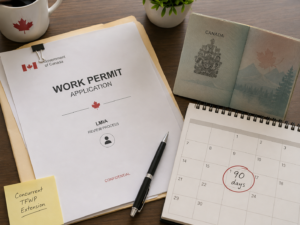
Hiring foreign workers in Canada comes with significant compliance obligations. Yet many HR professionals are expected to manage immigration-related responsibilities without formal immigration training.
That creates risk.
Employer obligations under Canada’s immigration system are extensive and can involve:
- the Temporary Foreign Worker Program (TFWP)
- the International Mobility Program (IMP)
- LMIA conditions
- Employer Portal requirements
- record-keeping obligations
- wage and job duty compliance
- inspections and audits
Violations can result in administrative monetary penalties, public naming on the non-compliant employers list, bans from hiring foreign workers, and reputational damage.
For HR professionals, immigration compliance is no longer just an immigration lawyer’s concern. It is an operational and compliance responsibility that directly affects the organization.
The Two Main Foreign Worker Streams
Canadian employers typically hire foreign workers through:
- the Temporary Foreign Worker Program (TFWP)
- the International Mobility Program (IMP)
The TFWP generally requires a Labour Market Impact Assessment (LMIA).
The IMP generally involves LMIA-exempt work permits, but employers may still have compliance obligations through the Employer Portal.
HR professionals should understand which program applies because obligations differ significantly between streams.
Common Employer Compliance Obligations
Employers may be required to:
- maintain accurate payroll records
- comply with wage commitments
- maintain working conditions
- ensure job duties match applications
- keep records for multiple years
- comply with inspection requests
- avoid unauthorized deductions or fees
One of the most common compliance problems occurs when actual job duties drift away from what was approved in the immigration process.
Even operational changes that seem minor internally can create immigration compliance concerns.
Employer Inspections and Audits
Canadian immigration authorities can conduct employer inspections to verify compliance.
These inspections may involve requests for:
- payroll records
- time records
- organizational charts
- employment agreements
- proof of benefits
- proof of recruitment efforts
- workplace policies
Inspections can occur years after the original work permit approval.
Employers that are unprepared often struggle because records were not maintained consistently.
Why HR Teams Need Immigration Compliance Training
Many organizations assume immigration compliance sits entirely with external counsel or recruiters.
In practice, HR teams often handle:
- onboarding
- payroll coordination
- job title changes
- promotions
- workplace policy enforcement
- employee records
- leave management
- termination decisions
These operational decisions can directly affect immigration compliance.
As Canada continues to rely heavily on foreign workers, HR professionals increasingly need practical immigration compliance knowledge.
LPEN HR offers legally grounded HR training designed to help professionals understand the real-world compliance risks associated with hiring foreign workers.
Explore available HR and compliance training through LPEN HR CPD.