Courses are listed first, then pages, then news.
A practical, four-hour program on the full lifecycle of a Human Rights Tribunal of Ontario proceeding, from forum selection and pleadings to mediation, hearings, remedies and judicial review.
Antonio Urdaneta
$120
4 hours
Attend Live Online and On-Demand Recording
Let’s review the end-to-end lifecycle of a Human Rights Tribunal proceeding in this practical, four-hour program for lawyers and paralegals. Covering forum selection, limitation periods, and concurrent proceedings, participants will learn how to draft effective Forms 1 to 3, respond to jurisdictional reviews, and navigate summary hearings. Gain actionable strategies for mandatory mediation, settlements, pre-hearing disclosure, and hearing advocacy, including trauma-informed questioning and AI citation verification. Finally, explore monetary and public interest remedies, enforcement, reconsiderations, and Divisional Court judicial review to advocate confidently before the Tribunal.
This course is included in the following passes:

Fulfill your CPD requirements with our expertly curated passes. Dive deep into specialized topics or explore a wide range of courses, all in one convenient package.
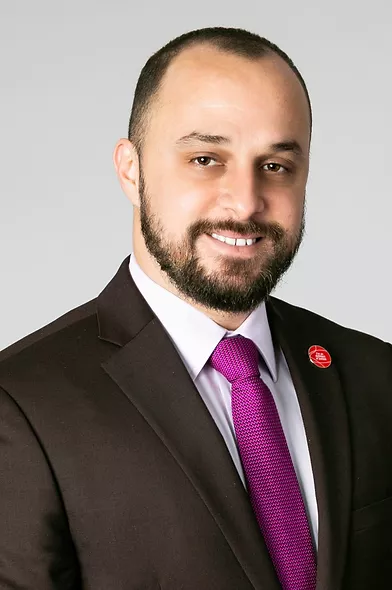
Antonio is the thought leader behind Workplace Legal. He focuses on improving work climate and empowering business leaders, entrepreneurs, managers, supervisors and human resources professionals to reduce the inherent threats of workplace relations by providing innovative training, advisory, investigations, and litigation services. Antonio uses coaching tools and skills to inform, advise and represent workplaces in their virtual and physical challenges, including business transformation and managing toxic leadership.
Antonio obtained a Bachelor’s of Civil Law from Zulia’s University in 2003 and completed the Canadian National Committee on Accreditation in 2015. His legal work includes employment standards, human rights, health and safety, pay equity, harassment, discrimination, violence, hazards, privacy, BYOD, agreements, contracts and policies, employment related ADRs (mediation, arbitration), and litigation (wrongful/constructive dismissals). He has successfully represented and assisted clients at the Superior Court of Justice and various administrative tribunals in Ontario.
Antonio also conducts workplace investigations regarding allegations of violence, harassment, discrimination, accidents/incidents, theft and failure to comply with company policies, by-laws and collective agreements.
Have questions? We’re here to help. Check out our FAQs to learn more about this Course.
Absolutely. Every LPEN course is recorded, and the recording is added to your account within a few business days. You can log in anytime to watch it on demand and still receive your digital certificate of completion.
LPEN seeks accreditation for each course from the College of Immigration and Citizenship Consultants (CICC) and the Law Society of Ontario (LSO),the Law Society of BC (LSBC) when applicable. Accreditation details and approved CPD hours are listed in the CPD Credits section on each course page, so you can easily confirm how the course qualifies toward your professional development requirements.
A digital certificate of completion will be available once the course recording has been uploaded. After that, you can follow the steps at the top of your My Courses page—where you’ll also find a short video explaining how to download your certificate. Be sure to save it as part of your documentation for your CPD hours.
This course may be included in one or several LPEN Passes. Passes offer discounted rates and access to multiple courses, making CPD compliance simpler. Check out our Passes page to see where it is included.
You don’t need to create an account separately. When you register for a course or pass, an account is automatically created during checkout. You’ll be asked to enter your email address and set a password—these will be your login details for future access.
2027 Annual Membership
Join 10,000+ Professionals and get courses updates, news and free premium content and videos.